
East Port Orchard at a glance
| Location | 14.6 miles southwest of downtown Seattle |
|---|---|
| County / jurisdiction | Kitsap County, Washington |
| Population | about 5,581 (ACS 2020-24 estimate) |
| Typical home built | 1978 (median year built) |
| Housing mix | 67% single-family detached, 18% in 2-4 unit buildings, 7% in larger buildings |
| Owner-occupied homes | 58% |
| Nearby creeks & rivers | Blackjack Creek (0.9 mi), Salmonberry Creek (1.1 mi), Ruby Creek (1.9 mi) |
| Parks & green space nearby | Lund Village, South Kitsap Regional Park, Bill Bloomquist Rotary Park |
| Nearest highways | SR 16 (1.7 mi), SR 304 (3.0 mi) |
| ZIP codes | 98366, 98337, 98314 |
What brings rats into East Port Orchard homes
Most homes here were built in the 1960s and 1970s: ranches and split-levels with attached garages, crawlspaces or storage rooms, and soffit and gable vents that are now half a century old.
Blackjack Creek is about 0.9 miles from the center of East Port Orchard. Creek ravines and greenbelts give Norway rats water and soft banks to burrow in, and blackberry and ivy cover lets roof rats move along fences into yards, sheds and garages.
Rats here usually start outdoors, under decks, sheds and woodpiles, beside compost bins and along fences, before finding a way into the garage or basement.
Signs to look for
- Smudge marks along walls and beams
- Gnawed wood, plastic trash carts or garage door corners
- Heavier thumping or scurrying than mice make
- Droppings 1/2 to 3/4 inch long with blunt ends
Rat Control cost in East Port Orchard
Here are typical ranges for East Port Orchard. An older or larger home with more gaps sits toward the top; a new problem caught early sits toward the bottom.
| Item | Typical Seattle-area range |
|---|---|
| Inspection | Free with service |
| Rat treatment (multiple visits) | $250 – $650 |
| Burrow treatment & exterior stations | $150 – $400 |
| Rat-proofing / exclusion | $300 – $1,500+ |
Ranges reflect typical prices in the Seattle market. They are a guide, not a quote; your price depends on the inspection.
See the full Seattle rodent control cost guide
Our rat control process, step by step
- Confirm the species and the source. Norway rats are the main rat in the Seattle area. They burrow along foundations, fences, sheds and compost piles and travel along alleys and sewer lines.
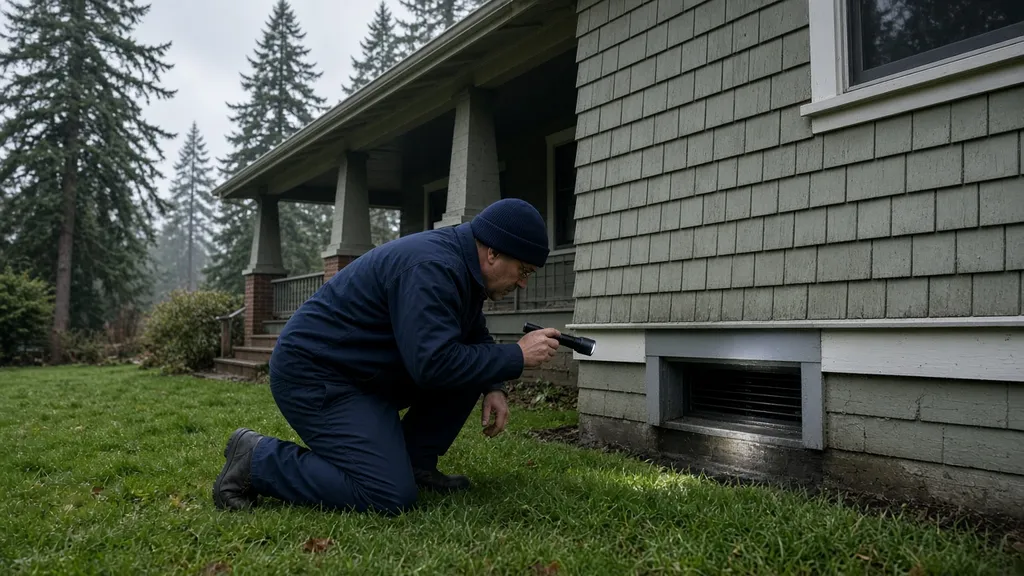
- Treat burrows and set traps. Active burrows are treated or collapsed and monitored; rat-sized traps go along travel routes in garages, basements and crawlspaces.
- Close the doors they use. Rats need a gap of about 1/2 inch. Garage door seals, broken foundation vents, gaps at utility lines and damaged sewer cleanouts get fixed.
- Cut the food supply. Lidded trash carts, sealed compost, bird-feeder spill and pet food are the usual culprits. You get a short, specific list for your property.
Local resources
For rats on public land, in an alley, on a vacant lot or on a neighbor's property in East Port Orchard, contact your city or county health office. Rodents inside your own home or business are the owner's responsibility, and that is where we come in.
Rat Control near East Port Orchard
- Parkwood, WA
- Port Orchard, WA
- Bethel, WA
- Navy Yard City, WA
- Gorst, WA
- Southworth, WA
- Manchester, WA
- Enetai, WA
See also rat control across the Seattle area.
Frequently asked questions
Can rats come up through the toilet?
It is rare but possible in older sewer systems. Broken sewer cleanout caps and damaged lateral lines are the more common way rats get into basements.
Why are there rats in my alley?
Shared alleys give rats food (trash carts, dumpsters), shelter (garages, debris piles) and cover. One property with an open food source can supply a whole block.
Are rats dangerous?
Rats can spread diseases such as leptospirosis and salmonellosis through urine and droppings, and they chew wiring. Avoid handling droppings and nests without gloves and a mask.
Which ZIP codes do you cover in East Port Orchard?
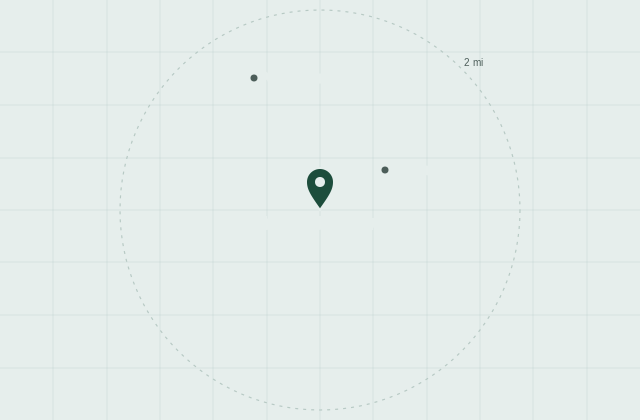
We cover 98366, 98337, 98314 in and around East Port Orchard, along with nearby Parkwood, Port Orchard, Bethel.
Get a free rodent inspection
Tell us what you are seeing and where. We will book a free inspection with a licensed local technician.
Call (564) 220-4806