
Seattle at a glance
| Location | Central Seattle |
|---|---|
| County / jurisdiction | King County, Washington |
| Population | about 780,995 (2024 Census estimate) |
| Typical home built | 1974 (median year built) |
| Housing mix | 38% single-family detached, 5% in 2-4 unit buildings, 51% in larger buildings |
| Owner-occupied homes | 44% |
| Nearby creeks & rivers | Mahteen Creek (1.4 mi) |
| Parks & green space nearby | Seattle Center, Tilikum Place, Growing Vine Street Headwaters Park |
| Nearest highways | SR 99 (0.3 mi), I-5 (1.1 mi) |
| ZIP codes | 98121, 98109, 98101, 98154 |
Our mouse control process, step by step
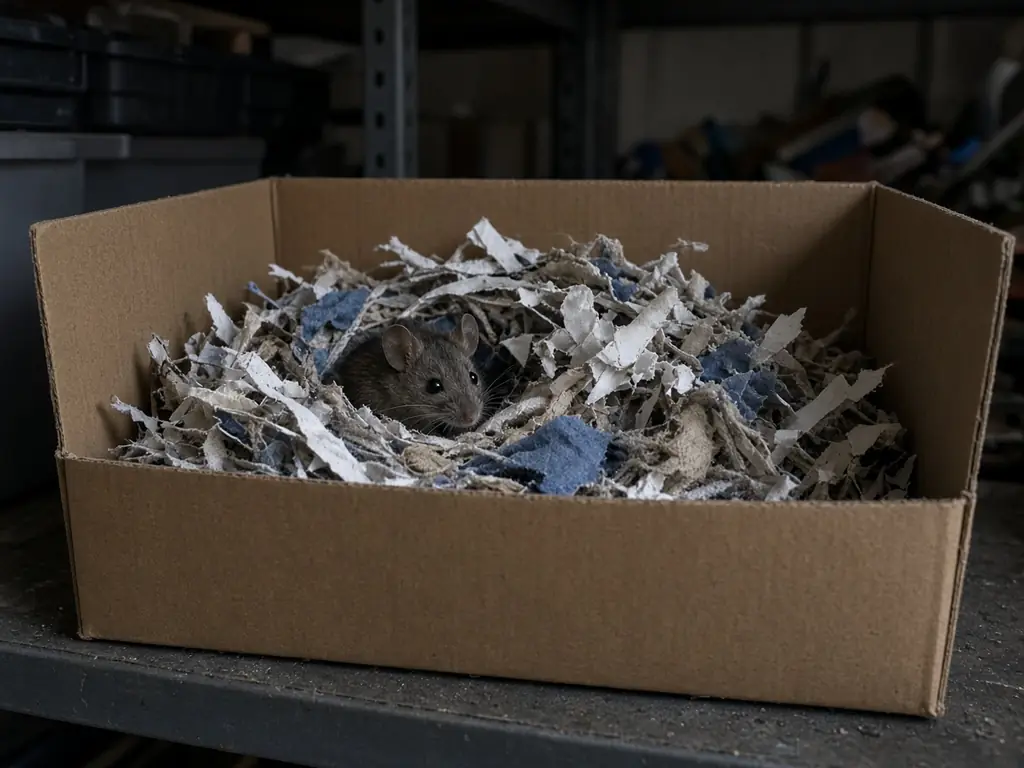
- Find the runways. Mice move along edges. The technician traces droppings and rub marks back to where they enter: garage door corners, plumbing under sinks, dryer vents, gaps around AC lines, foundation cracks.
- Trap where they travel. Snap traps and enclosed traps are placed along runways inside cabinets, behind appliances and in the attic or basement, not in the middle of the room.
- Close mouse-sized gaps. A house mouse can squeeze through a gap about the width of a pencil (around 1/4 inch). Those gaps are packed with mesh and sealed.
- Check back. Follow-up visits confirm the traps have stopped catching and no new droppings are appearing.
Mice in Seattle: the local picture
The housing here is largely 1960s-70s construction, where garage door seals, crawlspace vents and roof returns are the usual weak points.
Green space such as Seattle Center and Tilikum Place supports field and house mice through the summer; when nights cool in the fall, homes along the edges see the first wave indoors.
With 56% of homes in multi-unit buildings, mice move between units along pipe chases and shared walls, so treating one unit alone rarely holds.
Signs to look for
- Small, dark droppings about the size of a grain of rice
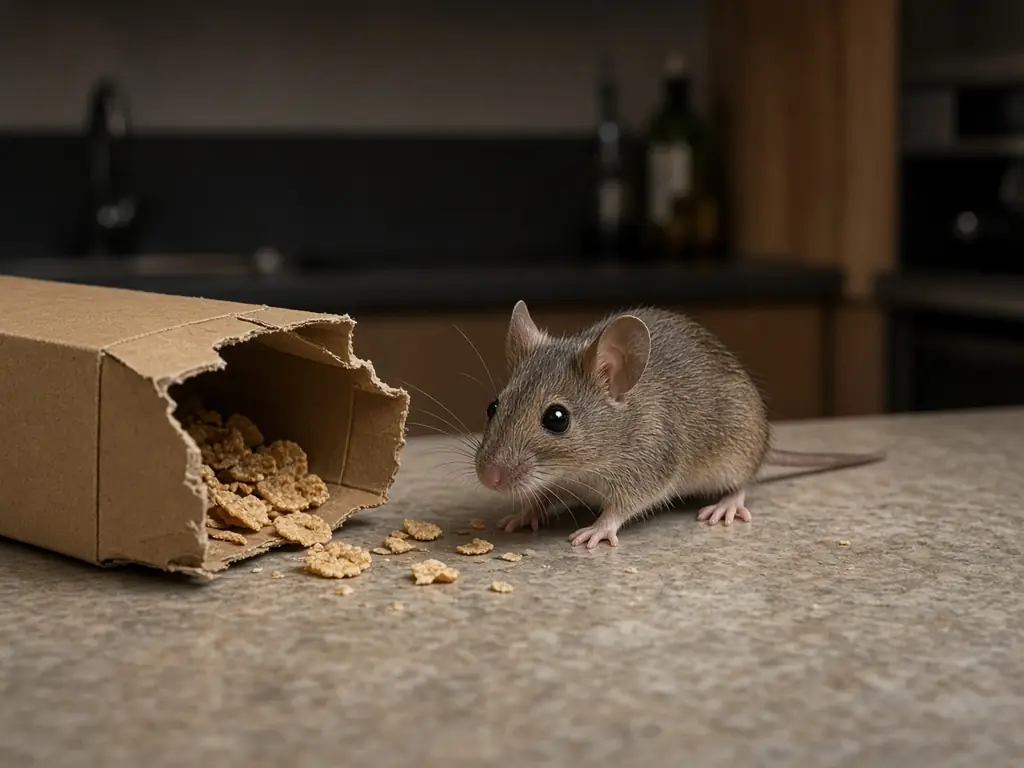
- Nibbled cereal, pet food or birdseed
- Faint scratching at night inside walls, ceilings or cabinets
- A musky smell in closed cupboards
Mouse Control cost in Seattle
Prices in Seattle follow the wider Seattle market. The main factors are the size of the home, how established the activity is and how many entry points need sealing.
| Item | Typical Seattle-area range |
|---|---|
| Inspection | Free with service |
| Mouse treatment with one follow-up | $140 – $350 |
| Additional follow-up visits | $75 – $125 each |
| Mouse-proofing (sealing gaps) | $250 – $1,200+ |
Ranges reflect typical prices in the Seattle market. They are a guide, not a quote; your price depends on the inspection.
See the full Seattle rodent control cost guide
Local resources
For rats on public land, in an alley, on a vacant lot or on a neighbor's property in Seattle, contact Public Health - Seattle & King County or your city code enforcement office. Rodents inside your own home or business are the owner's responsibility, and that is where we come in.
Mouse Control near Seattle
- Medina, WA
- Hunts Point, WA
- Clyde Hill, WA
- Yarrow Point, WA
- Mercer Island, WA
- Beaux Arts Village, WA
- Bainbridge Island, WA
- Boulevard Park, WA
See also mouse control across the Seattle area.
Frequently asked questions
Do ultrasonic repellers work on mice?
Independent testing has generally found little lasting effect. Sealing entry points and trapping are far more reliable.
Should I use poison inside the house?
We avoid loose poison indoors because mice can die inside walls and cause odor. Trapping plus sealing is cleaner.
Why do mice come inside in the fall?
When nights cool off in Seattle, usually from late September, mice look for warm shelter and steady food. Garages, basements and wall voids next to the kitchen are their first stops.
Which ZIP codes do you cover in Seattle?
We cover 98121, 98109, 98101, 98154 in and around Seattle, along with nearby Medina, Hunts Point, Clyde Hill.
Get a free rodent inspection
Tell us what you are seeing and where. We will book a free inspection with a licensed local technician.
Call (564) 220-4806