
Kent at a glance
| Location | 16.1 miles south of downtown Seattle |
|---|---|
| County / jurisdiction | King County, Washington |
| Population | about 136,588 (2024 Census estimate) |
| Typical home built | 1985 (median year built) |
| Housing mix | 51% single-family detached, 5% in 2-4 unit buildings, 33% in larger buildings |
| Owner-occupied homes | 57% |
| Nearby creeks & rivers | Lower Mill Creek (0.8 mi), Lower Springbrook Creek (1.1 mi), Harrison Creek (1.1 mi) |
| Parks & green space nearby | Walnut Grove Park, Canterbury Park, Turnkey Park |
| Nearest highways | SR 167 (1.0 mi), SR 516 (1.6 mi) |
| ZIP codes | 98031, 98030, 98032 |
Mice in Kent: the local picture
Homes here are mostly from the 1980s and 1990s, with tighter construction but plenty of entry points where AC lines, gas lines, dryer vents and cable enter the house.
Green space such as Walnut Grove Park and Canterbury Park supports field and house mice through the summer; when nights cool in the fall, homes along the edges see the first wave indoors.
With 38% of homes in multi-unit buildings, mice move between units along pipe chases and shared walls, so treating one unit alone rarely holds.
Signs to look for
- Faint scratching at night inside walls, ceilings or cabinets
- A musky smell in closed cupboards
- Shredded paper or insulation tucked into storage boxes
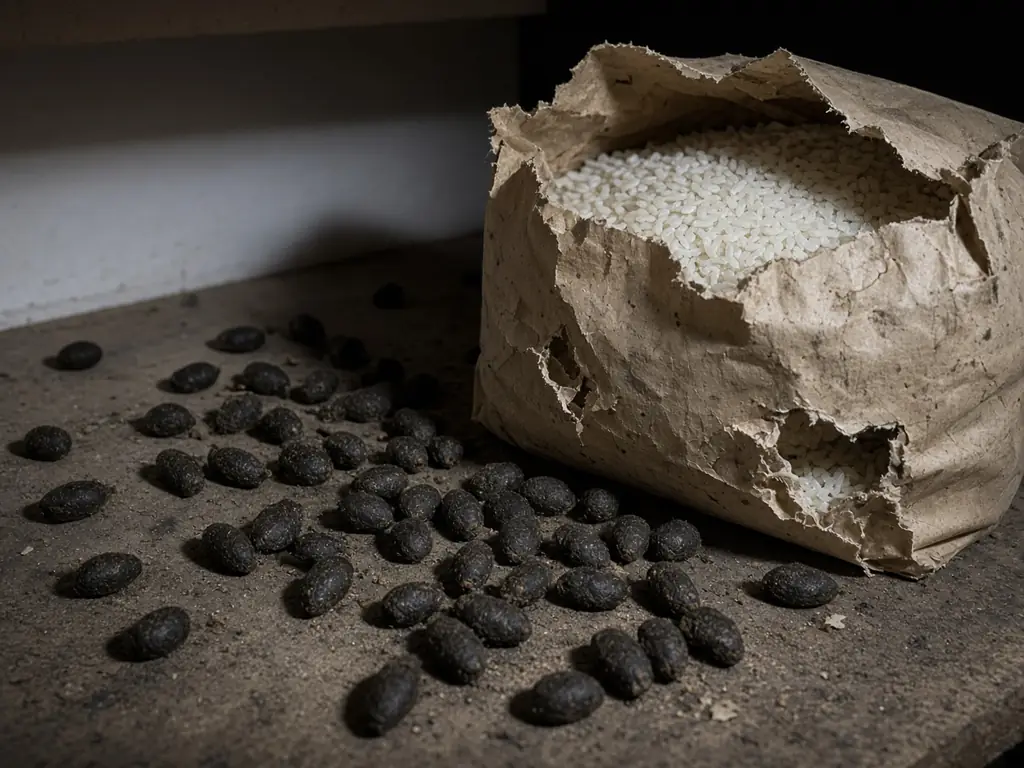
- Small, dark droppings about the size of a grain of rice
Mouse Control cost in Kent
Here are typical ranges for Kent. An older or larger home with more gaps sits toward the top; a new problem caught early sits toward the bottom.
| Item | Typical Seattle-area range |
|---|---|
| Inspection | Free with service |
| Mouse treatment with one follow-up | $140 – $350 |
| Additional follow-up visits | $75 – $125 each |
| Mouse-proofing (sealing gaps) | $250 – $1,200+ |
Ranges reflect typical prices in the Seattle market. They are a guide, not a quote; your price depends on the inspection.
See the full Seattle rodent control cost guide
How mouse control works
- Find the runways. Mice move along edges. The technician traces droppings and rub marks back to where they enter: garage door corners, plumbing under sinks, dryer vents, gaps around AC lines, foundation cracks.
- Trap where they travel. Snap traps and enclosed traps are placed along runways inside cabinets, behind appliances and in the attic or basement, not in the middle of the room.
- Close mouse-sized gaps. A house mouse can squeeze through a gap about the width of a pencil (around 1/4 inch). Those gaps are packed with mesh and sealed.
- Check back. Follow-up visits confirm the traps have stopped catching and no new droppings are appearing.
Local resources
For rats on public land, in an alley, on a vacant lot or on a neighbor's property in Kent, contact Public Health - Seattle & King County or your city code enforcement office. Rodents inside your own home or business are the owner's responsibility, and that is where we come in.
Mouse Control near Kent
- Lakeland North, WA
- Des Moines, WA
- Fairwood, WA
- Covington, WA
- SeaTac, WA
- Shadow Lake, WA
- Renton, WA
- Maple Heights-Lake Desire, WA
See also mouse control across the Seattle area.
Frequently asked questions
Should I use poison inside the house?
We avoid loose poison indoors because mice can die inside walls and cause odor. Trapping plus sealing is cleaner.
Why do mice come inside in the fall?
When nights cool off in Seattle, usually from late September, mice look for warm shelter and steady food. Garages, basements and wall voids next to the kitchen are their first stops.
How many mice do I have if I've seen one?
Seeing one in daylight usually means there are more. A female can have a litter every few weeks, so a couple of mice in October can become a real problem by winter.
Which ZIP codes do you cover in Kent?
We cover 98031, 98030, 98032 in and around Kent, along with nearby Lakeland North, Des Moines, Fairwood.
Get a free rodent inspection
Tell us what you are seeing and where. We will book a free inspection with a licensed local technician.
Call (564) 220-4806