
Updated 2026-11-26 · Seattle Rodent Control
Rodents ignore property lines, so local rules and agencies play a real role. Here is a practical overview. Program details change, so check with the agency for current services.
Who is responsible?
- Homeowners are responsible for rodents on and in their own property.
- Landlords are generally responsible for keeping rental buildings free of infestations and in good repair; tenants are expected to keep units clean and report problems promptly. Check your lease and local housing code.
- Businesses, especially food businesses, must prevent pests under health codes, and inspectors look for rodent evidence.
Who to contact about rats on public or neighboring property
- City of Seattle: for rats on public property, in alleys, around problem properties or near sewers, use the City's customer service and reporting channels. Public Health – Seattle & King County publishes rodent-prevention guidance. Check their websites for current contact details.
- Outside Seattle: contact your city hall or county; Snohomish, Kitsap and Pierce County communities each handle complaints differently.
Rodenticides and licensing
In Washington, anyone who applies pesticides for hire, including rodent baits, must hold a commercial pesticide applicator or operator license from the Washington State Department of Agriculture (WSDA), and wood-destroying-organism inspections need a WSDA structural pest inspector license. Ask any company for its license number and check it with WSDA's licensee search before you hire.
Working with neighbors
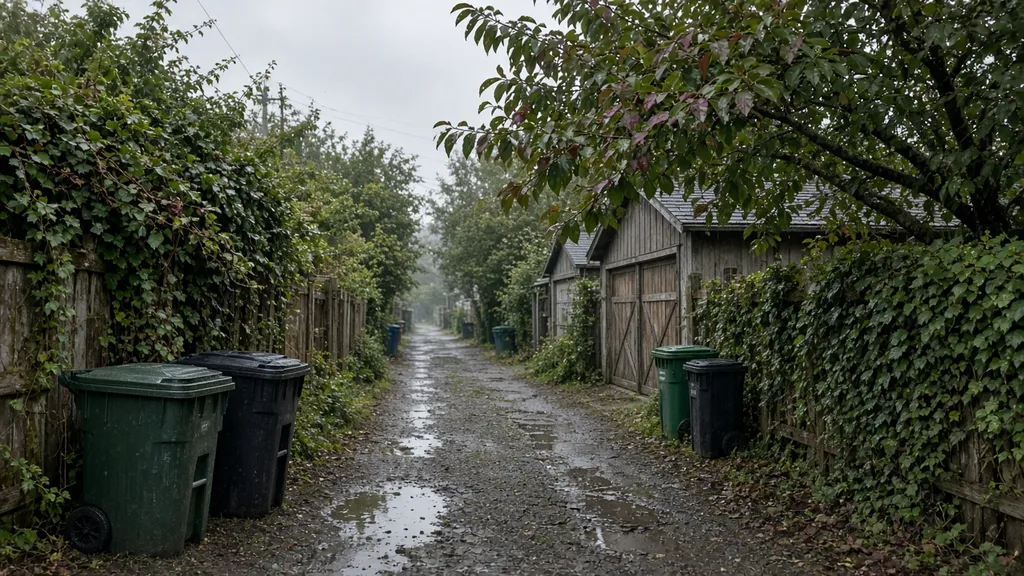
- Coordinate trash habits on your alley: lids closed, no bags beside carts, bulky items out only on pickup days.
- Ask neighbors to take in bird feeders over winter and keep compost closed.
- Report vacant lots, abandoned buildings and illegal dumping; they are common rat sources.
- Treating several neighboring properties at once is far more effective than one house at a time.
Businesses and property managers
Restaurants, grocery stores, warehouses and apartment buildings can drive rodent pressure for a whole block. A documented commercial rodent program keeps them compliant and keeps neighbors on side.
Get a free rodent inspection
Tell us what you are seeing and where. We will book a free inspection with a licensed local technician.
Call (564) 220-4806